
SRI VIJAYA PURAM | OCTOBER 21, 2026 | DWEEP TULIKA | ANDAMAN NEWS
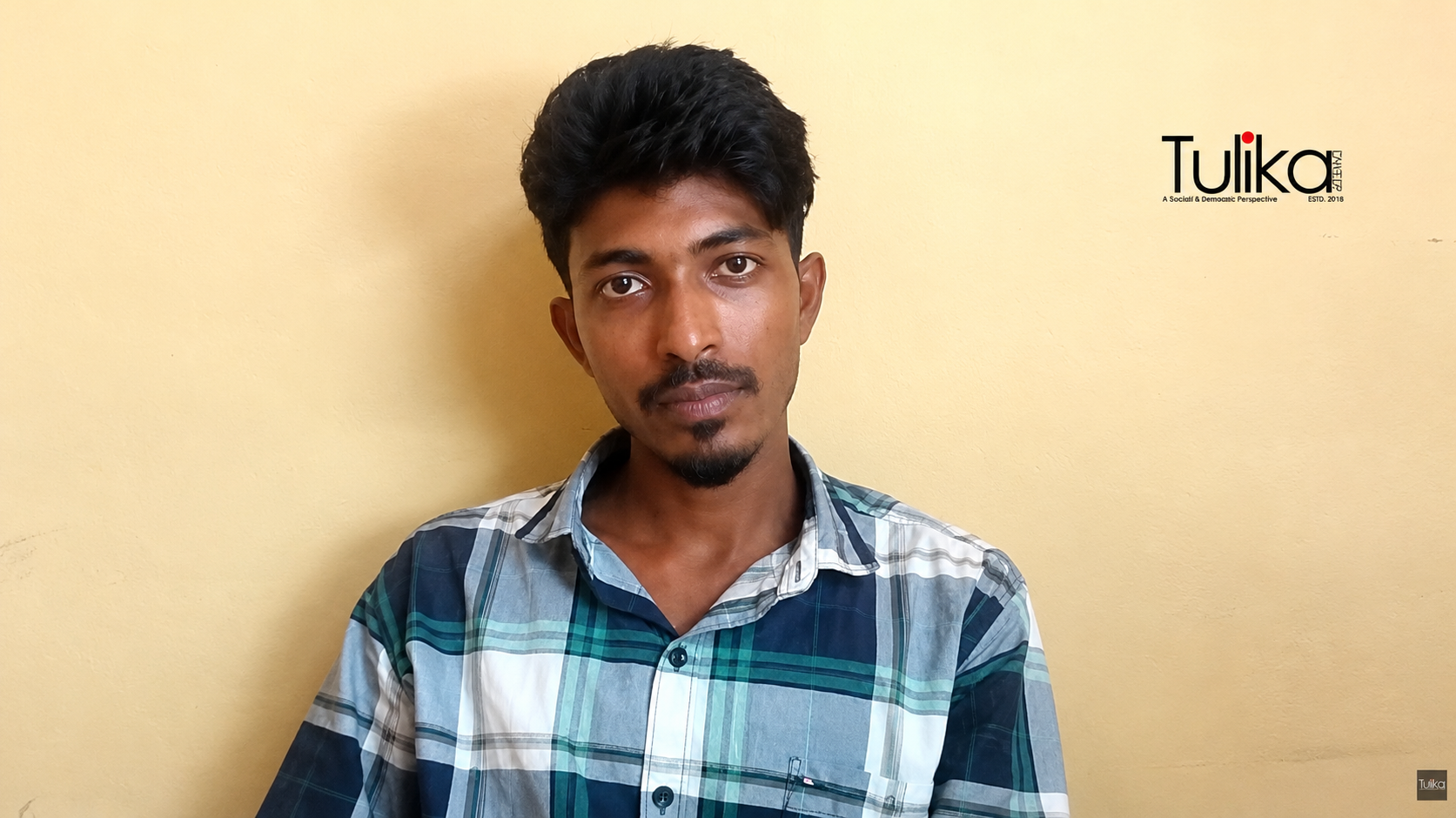
A Press Release Video by K.Vishwanathan has brought several civic concerns in the Andaman and Nicobar Islands into focus, including healthcare facilities, road conditions, electricity supply, youth employment, sports infrastructure and the development of arts and culture. The discussion took an unexpected turn when repeated power interruptions occurred during the recording, drawing attention to one of the issues he was raising.
In the video, the speaker responds to public comments received following his protest over the Special Intensive Revision (SIR) of electoral rolls. He explains why he considers the issue important, rejects allegations that foreign funding supported his protest and challenges the claim that everything is functioning well in the islands.
Defending the SIR Protest
Responding to a comment suggesting that alleged electoral irregularities should be addressed through the courts, Vishwanathan agreed that legal action was necessary. He said individuals and organisations were already approaching the courts over the issue.
However, he argued that peaceful protests and legal proceedings could take place simultaneously. Referring to the time court proceedings can require, he maintained that public demonstrations could help draw attention to the matter and encourage a quicker resolution.
He also linked electoral integrity to local governance, arguing that the way representatives are chosen can influence decisions concerning village development, roads, healthcare and other public services.
In his view, the integrity of electoral rolls is therefore a public-interest issue, not merely a matter for political parties. His comments formed part of his argument for continued public attention to the SIR process.
Responds to Allegations of Foreign Funding
Vishwanathan also addressed comments alleging that funding from the United States was supporting his protest. He rejected the allegations and described his personal financial constraints.
He said he had to earn money to meet everyday expenses, including fuel costs. He also said he had been unable to afford the reported ₹2,500 booking charge for the Tiranga Park venue and therefore held his peaceful protest beside the road.
He challenged those making allegations about foreign funding to provide evidence, arguing that unsupported claims could distract from the issues he wanted to raise.
No evidence substantiating the alleged foreign funding was presented in the address. The claims and his response should therefore be understood as allegations and denials, rather than established findings.
Explains His Political Position
The speaker also responded to comments questioning his political affiliations and the support he receives from different groups.
He said his principal objective was to raise issues affecting residents of Andaman rather than promote a particular political party. He cited healthcare, roads and other public services as matters requiring greater attention.
Explaining his decision to join the Cockroach Janata Party (CJP), he said he hoped CJP's association would help him raise local concerns more effectively. He also questioned those who supported his public campaign but criticised his affiliation with CJP.
Vishwanathan said he would take approximately ten days to research certain questions raised in the comments before responding to them. That response, he indicated, would address issues he did not want to answer without further examination.
“Is Everything Really Fine in Andaman?”
One of the central themes of the address was the speaker’s response to a commenter who claimed that everything was going well in the islands.
Vishwanathan challenged that assertion by raising questions about the quality of essential services and the distribution of development opportunities.
He questioned the adequacy of healthcare facilities, the condition of roads and the reliability of electricity supply. He also raised concerns about cleanliness, sports infrastructure, funding for sporting activities and opportunities for children to compete at national and international levels.
Youth employment formed another major part of his argument. He questioned how many young people in the islands were finding jobs and how many remained unemployed, calling for greater attention to employment opportunities.
He also expressed concern about arts and culture, alleging that cultural activities were increasingly becoming entangled in political and religious considerations.
The speaker did not present a comprehensive set of statistics during the address to quantify these concerns. His remarks were primarily framed as questions about public services, development priorities and opportunities available to island residents.
The issues he raised would require separate evidence including service data, employment figures, infrastructure records and responses from the relevant authorities to establish their scale and identify possible remedies.
Repeated Power Cuts Interrupt the Address
The discussion about electricity supply became particularly striking when power interruptions occurred repeatedly during the recording.
As Vishwanathan continued questioning the state of infrastructure and public services, the electricity supply appeared to be interrupted several times, as captured in the footage.
The timing created an unplanned visual contrast between the speaker’s criticism of electricity reliability and the interruptions occurring during the address itself.
However, the recording alone does not establish the cause or duration of the interruptions, whether they were linked to a local fault or scheduled work, or whether they reflected conditions across a wider area.
The incident nevertheless drew attention to electricity reliability as one of the concerns raised during the address. Separately, local reporting in recent days has documented residents’ complaints about repeated power cuts and voltage fluctuations in Sri Vijaya Puram and surrounding areas of South Andaman.
The wider electricity situation should be assessed using outage records, official explanations and information from affected consumers rather than the video alone.
Calls for Public Participation
Towards the end of the video, Vishwanathan urged residents to participate in raising public concerns rather than limiting their involvement to online comments. He argued that citizens have a constitutional right to express their views and organise peaceful protests.
He also questioned the response of political representatives to issues he believes require investigation and corrective action.
The speaker said he had collected and separated comments from the public and intended to respond to them. He maintained that the SIR issue would eventually reach a resolution and said he would then assess the positions taken by those who had commented on his campaign.
He concluded the address with the slogans, “Jai Hind, Jai Andaman, Inquilab Zindabad.”
The Larger Question: How Should Andaman Measure Progress?
The address brought several issues into one discussion: electoral integrity, essential public services, employment opportunities, infrastructure, sports and cultural development.
The repeated electricity interruptions during the recording added an unexpected dimension to the speaker’s criticism, although they do not independently establish the wider condition of the power system.
The questions raised invite a broader public discussion: how effectively are the islands addressing their development challenges, and what evidence can residents use to assess progress in essential services?
Answering those questions requires more than political claims or individual experiences. Reliable statistics, transparent public information, clear explanations from the authorities and measurable outcomes are necessary to assess progress and identify gaps.
For the Andaman and Nicobar Islands, accountability and evidence-based public discussion remain central to evaluating whether residents’ concerns are being addressed—regardless of political affiliation.